
"Too many thinkings,"
he said...

… and now I can’t get it out of my head.
Its endearing clumsiness creates a playful little chirp in my brain. Its tender charm lies partly in the grammatical struggle of a man for whom English is a thin layer settling in later in life, over the thick grooves of his native tongue. The other part: enduring wisdom. The world and my heart are both screeching and cracking under the weight of too many thinkings.
Tissues crumpled in my grip, swallowing the tears of a mind that had tired itself beyond all redemption, or so it seemed, my mentor yelled this at me: “TOO MANY THINKINGS!”. And I cracked up. Up and out. Out of that quicksand tug I was tumbling into with no way out, or so it seemed.
When you’re in a bind, you need something quick. Something trustworthy. Something that sticks.
You need something that’ll make you laugh.
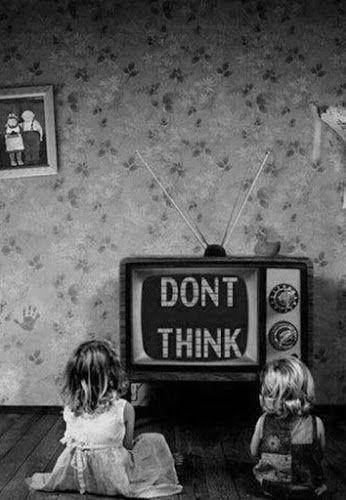
“Thinkings” are millions of tiny monsters scrambling over and around the folds of my brain’s grey matter. “Thinkings” are the swarms of ants tunneling through neural networks and crowding out the light with their density. With the *zap* of awareness they evaporate in an instant.
In a mind-dominant culture, we internalize the notion that problems are only ever solved through thought. We may take on a relationship of responsibility to thought, as though if we’re not thinking about something, especially very hard, we’re abandoning the problem. We may even consciously or subconsciously believe that not thinking is itself a problem.
My mentor offers a radical teaching to consider: only about 5% of daily life is addressed by thought. 5%! There really are so few things we have to think about, he says, and they’re mostly constrained to logistics like scheduling, coordination, paying bills, budgeting, planning. In fact, in writing this piece, I’ve set my attention on doing as little thinking as possible.
So what’s happening if not thinking?
channeling
receiving
transmitting
flowing
trusting
allowing
… and some more tangible, less woo woo ideas:
carrying
driving
holding
moving
deleting
scanning
searching
eating
writing
and any other verb you can think of, decoupled from thinking about that action
We don’t have to think about carrying the groceries in from the car or arranging them in the refrigerator and we can still do so with organization and efficiency. We don’t have to think about what next to say in a conversation and we can still be mindful and attentive to our word. We don’t have to think about refilling our water bottle and we can still be aware of our thirst and tend to it. We don’t have to think about what’s happening in a relationship or when we’ll see our crush or new fling or that old friend or that person you’ve been meaning to follow up with next and we can still feel someone’s presence in our hearts, transmit love and care to them, send some kind of outreach, take action to see them, or trust in receiving them if action isn’t aligned… and then let it go. We don’t have to hold things in our mind. We can act. Act and act and act again in a way of grace and ease. We can rest. We can receive. And in times of stress we can respond assertively and decisively, but again, imagine how you might do that without thinking. We can be the verb.
It is a practice to reduce the amount of thinking we are doing in any given day. As an experiment, try it! Pick a day this week and observe how little thinking you can do. Simply do the actions you’re inspired or required to do to move through your day, and remove the layer of thought around it.
We need little tricks more than ever to glitch us out of worried rumination and obsessive contemplation. That toxic churn of the mind in these heady times that overflows and spills into the belly and makes you sick like you downed too many bags of potato chips in one sitting.
If you find yourself trapped in that aching agony of a brain burning and sputtering for some kind of relief from insatiable demands, try saying to yourself:
“too many thinkings!”
Put it on a post-it note. Save it as an alarm on your phone to go off randomly in your day. Make it a calendar event. Make yourself laugh.
It could be one of the most radical acts to stop thinking about personal and collective tragedies, unfinished tasks, failures of the past, dreads of the future, and just let the mind stop. There is an energy source always on tap to drive ourselves into the ground through the ceaselessness of the mind unless we cap it and say, “enough”. Until we see what life feels like when 95% of what we do is done without excessive thought.
If you test drive this idea, let me know how it goes in the comments!
With big love til next time,
Rachel
As always, thank you for bringing your heart here. If you liked reading this, please click the ❤️ or 🔄 button on this post so more people can discover it on Substack. Or help widen the circle, by sharing hi•ne•ni with someone in your life.